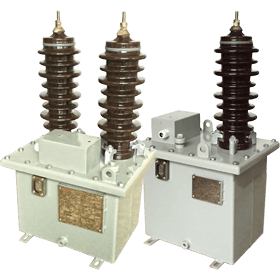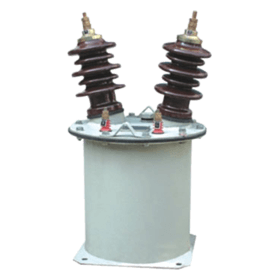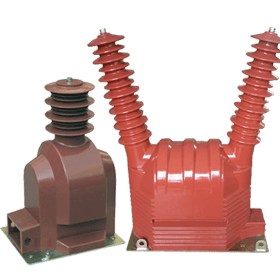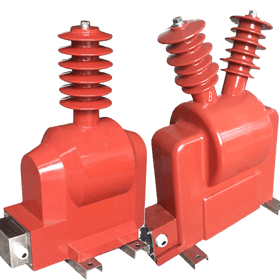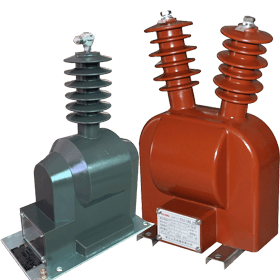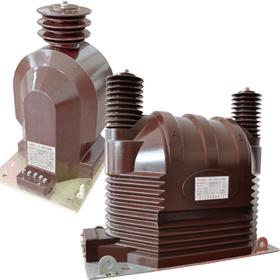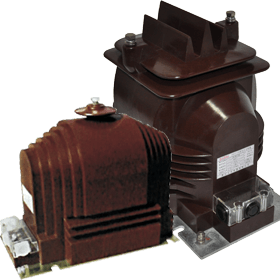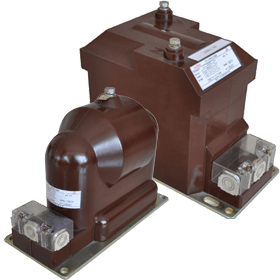
Voltage transformer

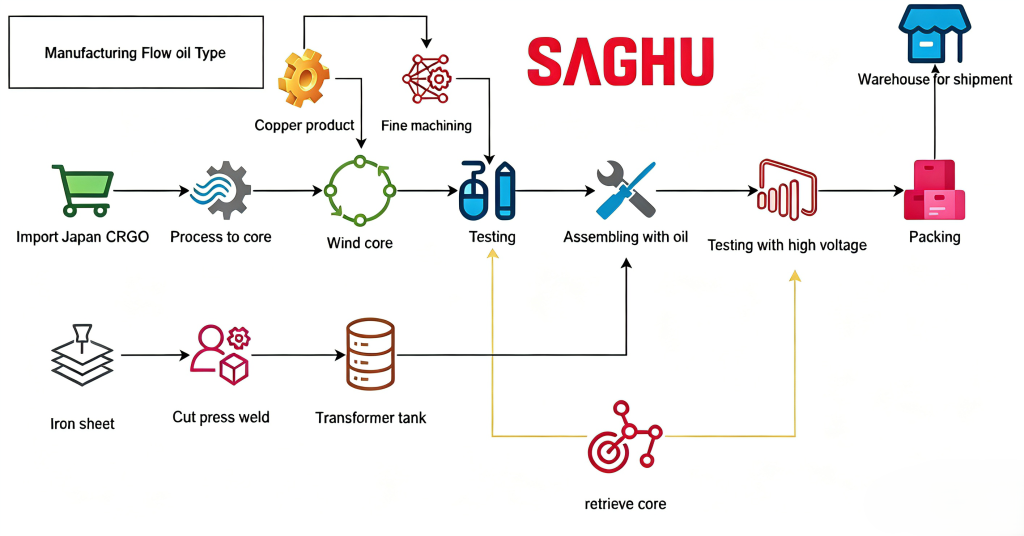
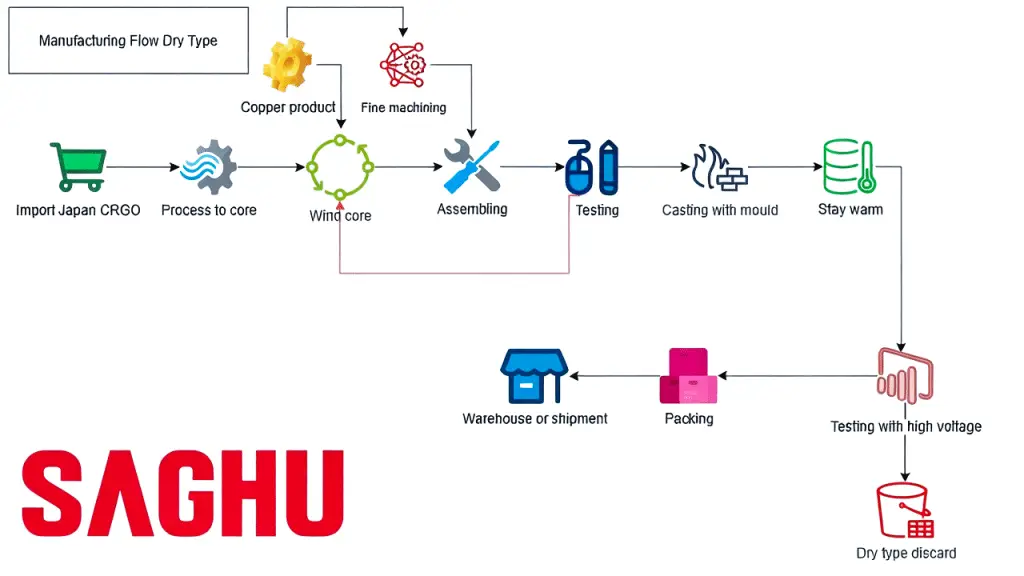
The products are designed in strict accordance with IEC or ANSI standards, and the manufacturing steps meet the technological requirements

Model

Our Products

Dry-type PT transformers are hassle-free and low-maintenance, whilst oil-immersed PT transformers are built to last.
For indoor use, dry-type models are recommended; for outdoor use, the choice depends on the specific environment.

Overview

Key Strengths

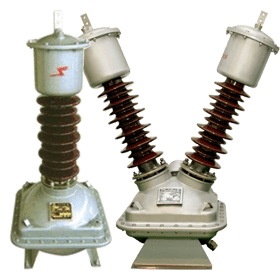
A voltage transformer is a special type of transformer that operates on the principle of electromagnetic induction. It is primarily used to:
* Convert high voltage proportionally into a standard low voltage (typically 100 V or 100/3 V);

* Achieving electrical isolation to ensure the safety of measuring instruments, relay protection devices and operating personnel;

* Providing standardised signals for secondary equipment such as metering, protection, monitoring, synchronisation and waveform recording.

Advantages of Choosing Us

Why choose our products?

1

🏅Quality Assurance

Strict quality control, proven over time. Authorized certification, trustworthy.

2

✅Precise measurement

Every product undergoes individual inspection at the comprehensive testing station before leaving the factory to ensure consistent accuracy.

3

🌍Select

Complete range of sizes—everything you need in one place

Main Structure

A voltage transformer (PT) consists primarily of five
main components: the core, the primary winding,
the secondary winding, the insulation system,
the casing and accessories. These components work together
to achieve voltage transformation

  • Iron Core — Magnetic Flux Path
  • Primary winding — parallel voltage
  • Secondary Winding — Inductive Output
  • Insulation—A Safety Barrier
  • Housing & Accessories

PT Core


Imported silicon steel sheet made of PT core, high quality insulation tape, high quality compression sponge, to ensure that resin shrinkage does not affect the performance of PT core, secondary use of high purity enameled wire.  

Primary winding of PT


Mechanized winding secondary winding, all wire uses high purity copper enameled wire, each layer uses high quality insulating paper, to ensure that the layer withstand voltage qualified, to ensure the stability of partial discharge test.

Quick Q&A

Answers to some frequently asked questions about voltage transformers

Q1:Why must the secondary side of a PT not be short-circuited?

A:During normal operation, the secondary side is effectively open-circuited, with very high impedance. In the event of a short circuit, the inductive reactance disappears and the current surges (by a factor of tens), which can rapidly burn out the windings or cause an explosion. It is essential to fit a high-voltage fuse or miniature circuit breaker, and it is strictly forbidden to short-circuit the terminals.

A: 

* To prevent high voltage from entering the secondary circuit in the event of a primary insulation breakdown, thereby endangering personnel and equipment;

* To provide a reference potential for protective devices;

* Regulation: Grounding at a single point only (generally in the terminal box or protection panel) to avoid the formation of ground loops.”

A: Epoxy-encapsulated indoor dry-type PT (DZ/JDZX series, 6–35 kV).
* Oil-free, flame-retardant, maintenance-free

* Compact design, suitable for centre-mounted switchgear and ring main units

* The JDZX features a residual magnetic (open delta) winding, suitable for insulation monitoring

A: Outdoor dry-type (JDZW series) or outdoor oil-immersed.
Dry-type: Oil-free, maintenance-free, with silicone rubber for resistance to soiling flashovers (suitable for coastal and industrial areas)

Oil-immersed: Weather-resistant and proven, but requires periodic oil testing

 A: Beware of ferromagnetic resonance!

In an ungrounded neutral system, the excitation inductance of the PT and the capacitance to earth may cause ferromagnetic resonance

* Symptoms: Abnormal rise or fluctuation in two-phase or three-phase voltage, humming noise from the PT, or blown fuses

* Measures: Install a primary-side anti-resonance device (linear resistor / non-linear component) or a microprocessor-based anti-resonance unit; select an anti-resonance PT

 ⭐We look forward to becoming your trusted electrical partner!

become your business partnerof electric

Let's have a chat

Searching